
REVIEW · COOKING CLASSES
St. John’s: From the Sea Cooking Class
Bring an appetite and a flexible menu. At Nicole’s Table, you help turn the day’s catch into a three-course lunch, then eat it on a veranda high above the Caribbean Sea. I like the fresh-fish menu, which may feature mahi-mahi, snapper, tuna, or grouper, and I like the warm, informal feel that makes this more than a standard cooking lesson. The main thing to consider is that the food is not fixed, so you need to be comfortable with a menu that changes with the season and the morning’s catch.
The four-hour class runs from about 11 a.m. to 3 p.m., a useful fit for a cruise day or a hotel stay. You receive the recipes, drinks, and hands-on instruction for $164 per person. That is not a cheap lunch, but it covers a full meal, a cooking experience, and a memorable setting overlooking the sea.
In This Review
- Key points to know before you book
- Arriving at Nicole’s Table above the Caribbean Sea
- The first question: what came off the boats today?
- Preparing the starter, sides, and main course
- Listening to West Indian food stories
- A three-course lunch on the veranda
- Is $164 a good value?
- Timing, group size, and the pace of the day
- Who will enjoy this class most?
- What to bring and how to prepare
- Should you book St. John’s From the Sea Cooking Class?
- FAQ
- Where does the cooking class take place?
- How long does the experience last?
- What food will be prepared?
- Is lunch included?
- What drinks are provided?
- Is transportation included?
- Can children attend the class?
Key points to know before you book
- The fish changes daily: Your main course depends on what is fresh and available from local boats.
- You cook the whole meal: Help prepare the starter, fish, sides, dessert, and drinks.
- The setting is part of the experience: Lunch is served on a veranda overlooking the Caribbean Sea.
- The class feels local: Food stories and life in the West Indies are woven into the cooking.
- Recipes come with the meal: The goal is to make the dishes practical to repeat at home.
- Plan your own transport: There is no pickup service, and directions are sent after booking.
Arriving at Nicole’s Table above the Caribbean Sea
This class takes place at Nicole’s Table, a Caribbean home in Antigua rather than a conventional culinary school. That choice shapes the whole day. You are not sitting in rows behind a demonstration counter. You are working with food in a home setting, then sitting down to eat in the same relaxed atmosphere.
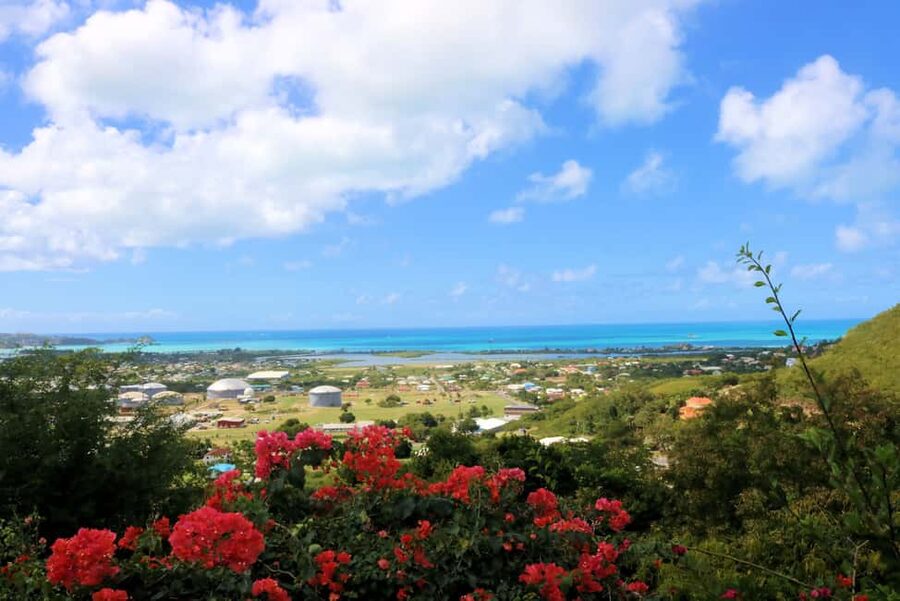
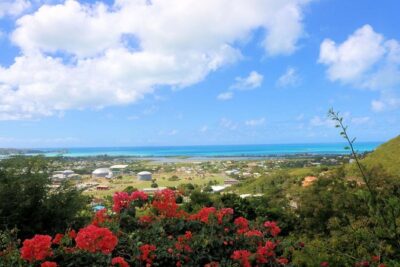
The house sits high on a hill with views over the Caribbean Sea. The view is not a small extra added to the activity. It gives the class much of its character. You prepare lunch with the sea in sight, then enjoy the finished meal on the veranda. The setting helps turn a practical lesson into a slow island afternoon.
You must arrange your own way to Nicole’s Table. There is no included transfer or pickup, so check the directions sent after booking and allow enough time to arrive. This matters most if you are visiting from a cruise ship, since the class begins at 11 a.m. and usually finishes around 3 p.m. You need to allow time for the journey in both directions and return to your ship well before its departure.
The activity is not suitable for wheelchair users. Children must stay with an adult, and unaccompanied minors are not allowed. The minimum drinking age is 18.
More cooking classes in St John S:
- All About Jerk Cooking Class
★ 4.7 · 19 reviews - St. John’s: Rum Cooking Class with 6 Rum Tastings
★ 5.0 · 6 reviews - Coordinating Curry Cooking Class
★ 5.0 · 4 reviews
The first question: what came off the boats today?
The day’s menu begins with a question rather than a printed answer: what is available today? The catch can include mahi-mahi, snapper, tuna, or grouper, depending on the season and sea conditions.
This is one of the most appealing parts of the experience, but it also requires the right expectations. You may have seen a sample menu featuring ginger-lime mahi-mahi, pineapple salsa, or blackened fish tacos with spicy slaw. Those dishes are examples, not promises. The class adjusts to what is fresh.
I prefer this kind of uncertainty to a seafood class built around ingredients shipped in from elsewhere. It connects your meal to Antigua’s fishing culture and gives the instructor a reason to explain why one fish is used instead of another. It also means the class has a genuine local rhythm. The kitchen works with what the sea offers, not with a rigid script.
If you have your heart set on one particular fish, this may not be the right choice. You should also report food allergies and specific dietary needs when booking. Seafood is central to the class, so clear communication matters.
Preparing the starter, sides, and main course
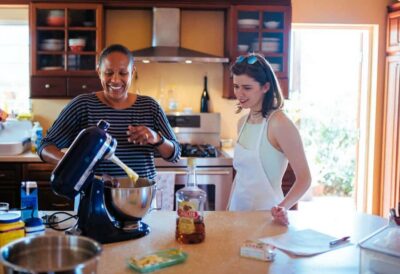
You help with the entire meal rather than preparing one small dish and watching the rest happen. The class typically includes a starter, a main fish course, sides, and dessert.
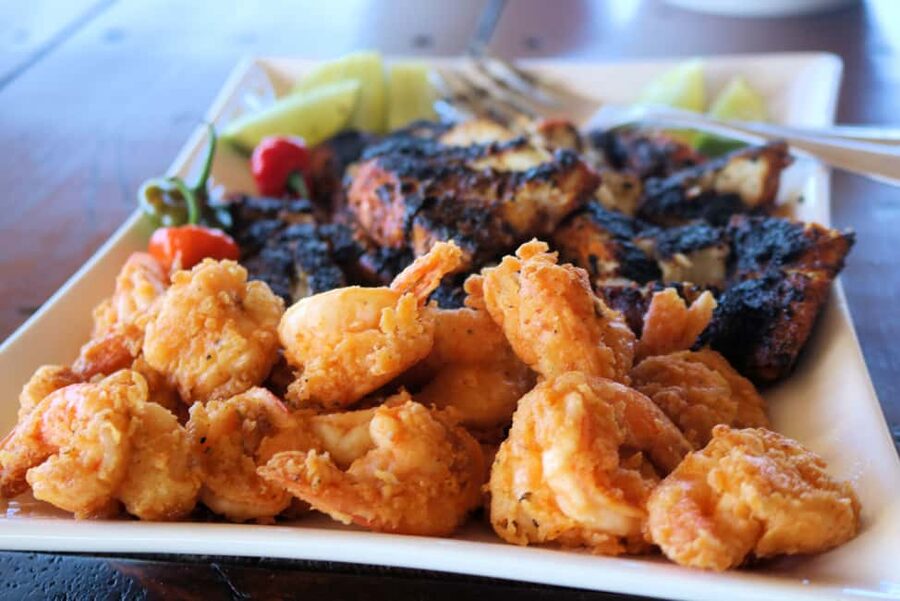
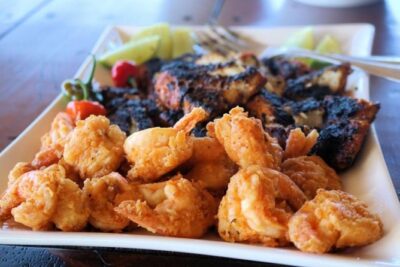
A sample starter is garlic shrimp served in a crisp wonton cup with avocado. It combines seafood, crunch, and a fresh element, while also giving you a useful recipe for a party snack or light first course at home.
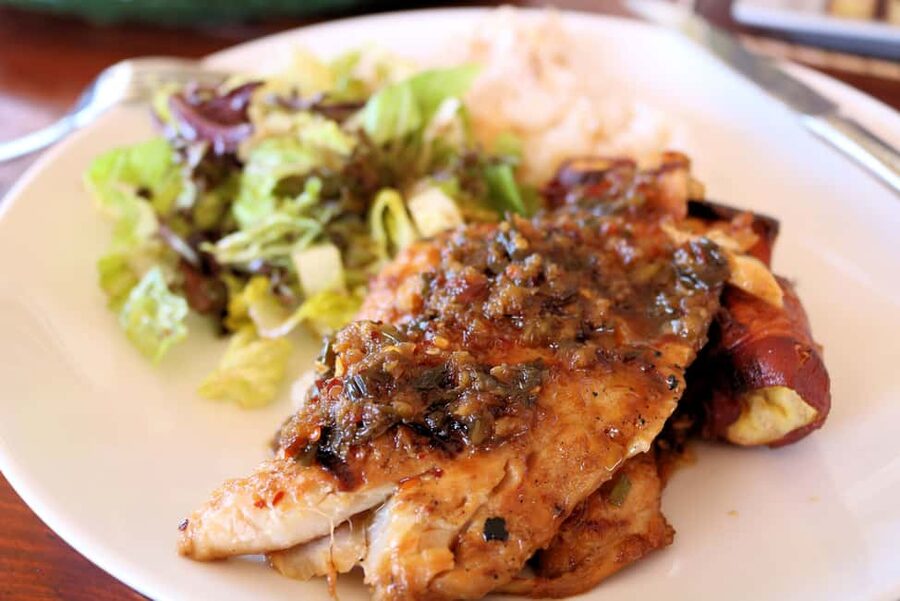
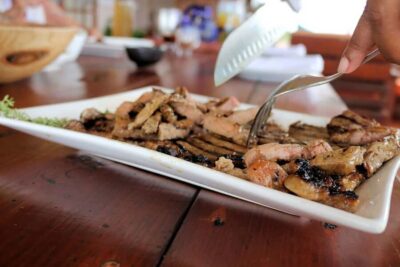
The main dish may be grilled ginger-lime mahi-mahi with pineapple salsa. Another possible choice is blackened fish tacos with spicy slaw. You might instead prepare a baked, stuffed whole snapper. Each option teaches a different approach to local seafood, from grilling fillets to handling a whole fish.
The side dishes can include basmati rice and a rainbow salad. These are not just filler on the plate. Rice gives you a simple base for sauces and fish, while a colorful salad adds freshness to a meal that could otherwise feel heavy.
The practical value is clear. You are not simply tasting Antiguan food. You are learning a group of dishes that can work together as a complete lunch. The recipes are provided, and the stated aim is to make them easy to cook once you return home.
Classes can be hands-on or more laid-back, depending on how much you want to do. If you enjoy cooking, you can take an active role. If you would rather watch, listen, and join in at a slower pace, that is also possible. This flexibility makes the class more comfortable for mixed groups, where one person may be eager to chop and season while another is happier with a drink and a good view.
Listening to West Indian food stories
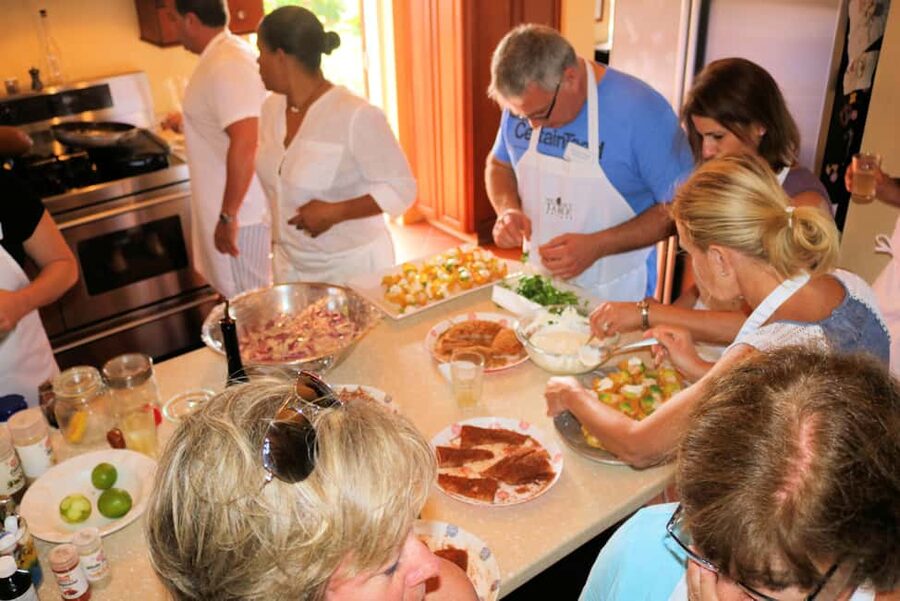
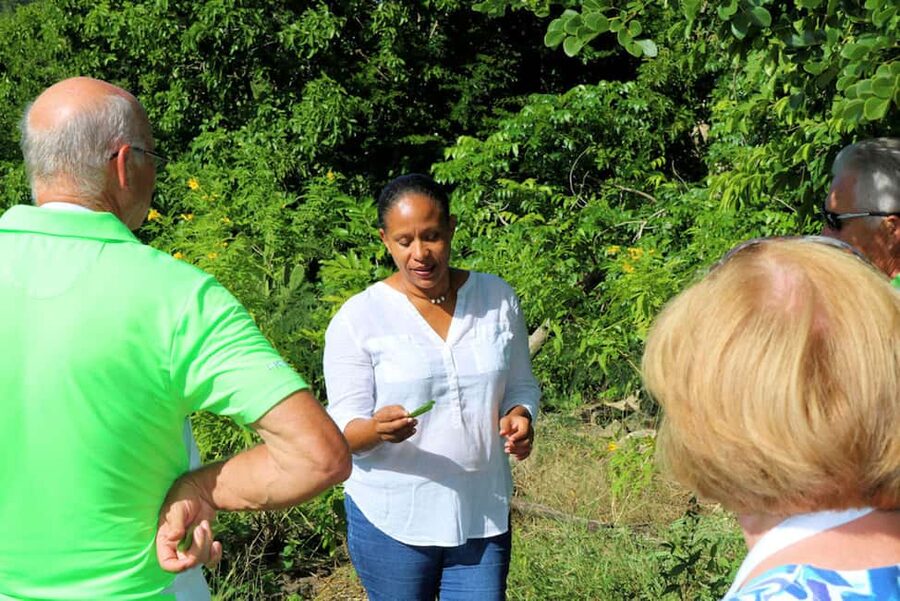
The class is not limited to instructions such as stir this or grill that. The food is explained through stories about life in the West Indies and the background of the dishes.
That informal approach is important. A recipe becomes more useful when you understand how it fits into local life. You may learn why certain ingredients work together, how seafood is treated, or how island cooking responds to what is available. The supplied information does not promise a formal lecture, and that is probably a good thing. The experience is designed to feel like time spent in a Caribbean home, not a classroom examination.
This is also where the class separates itself from a meal with a view. The food has a sense of place, and the conversation helps explain it. You get context without needing a separate historical tour or cultural presentation.
The tone is meant to be informal. You should expect conversation, stories, and a relaxed pace rather than a tightly timed professional kitchen. If you want advanced culinary training, precise technical instruction, or a formal chef-led demonstration, you may find the format too casual. If you want to cook, eat, and talk in a welcoming home, the style should suit you well.
A completely different kind of day out:
- Antigua: Stingray City Experience with Round-Trip Transfer
★ 4.7 · 58 reviews - St. Johns: Horseback Riding Bareback Swim, &Fort James Beach
★ 4.7 · 41 reviews - St. John’s: Discover The Real Antigua Island Tour Experience
★ 4.6 · 29 reviews - Antiguan experience home tour with local guide with lunch
★ 4.2 · 26 reviews
A three-course lunch on the veranda
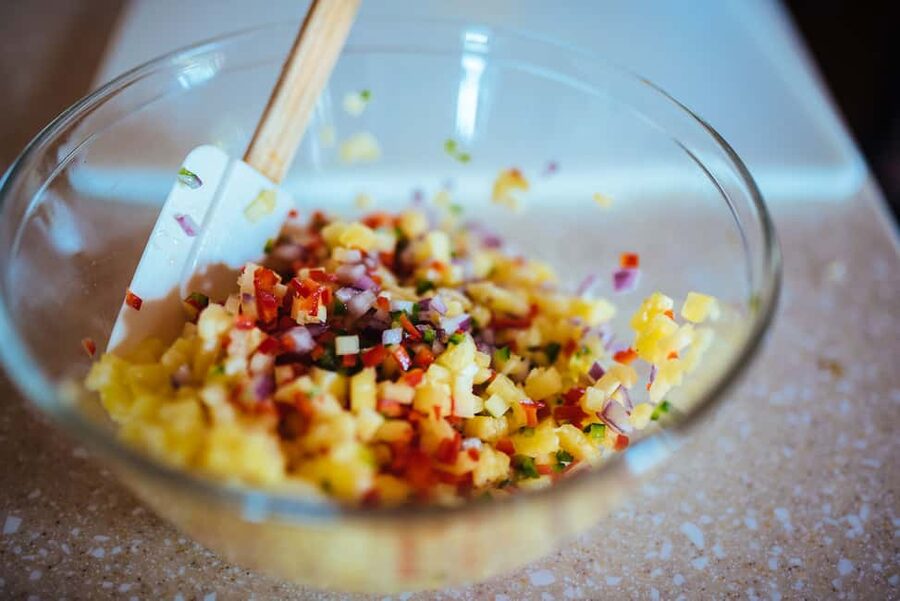
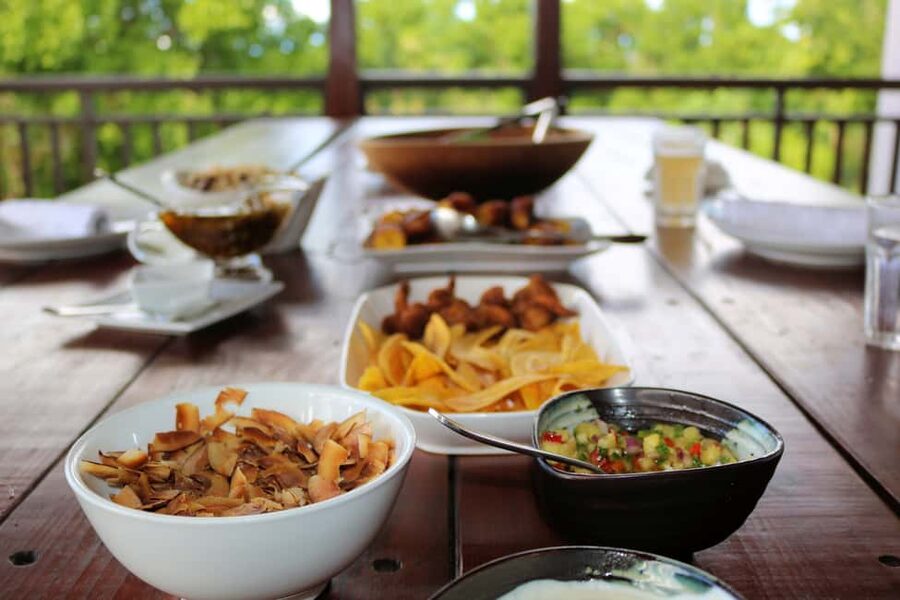
Once the food is ready, you sit down for lunch overlooking the Caribbean Sea. The veranda is the natural reward for the work in the kitchen, and the meal gives the four-hour experience a clear shape: arrive, prepare, eat, and leave with recipes.
Drinks are included. You can expect a local juice, water from the household cisterns, and Nicole’s Old Fashioned Rum Punch. The rum punch adds a distinctly Caribbean note, but remember that the minimum drinking age is 18. If you do not drink alcohol, the local juice and water are available.
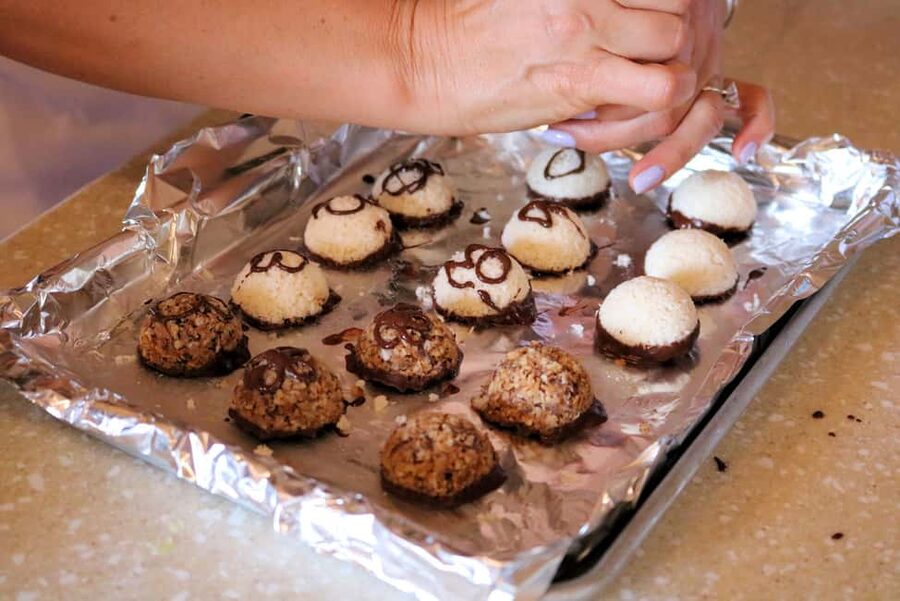
Dessert may be mini cheesecakes with passion fruit. It is a fitting finish to a seafood lunch, with the fruit adding a sharp, tropical contrast to the creamy dessert.
I like that the food you eat is the food you helped prepare. That connection makes the lunch feel more satisfying than a restaurant meal alone. You have handled the ingredients, learned the steps, and then tasted the result in a beautiful setting.
The strongest praise attached to this experience focuses on exactly these points. A verified booking from Jonathan in the United Kingdom described the welcome as feeling like being made part of a family, praised the beautiful food and setting, and said the recipes were worth making at home. Another recent five-star comment called the day fun, praised the people and location, and recommended it highly. Those reactions point to the experience’s real strength: hospitality matters as much as the cooking.
Is $164 a good value?
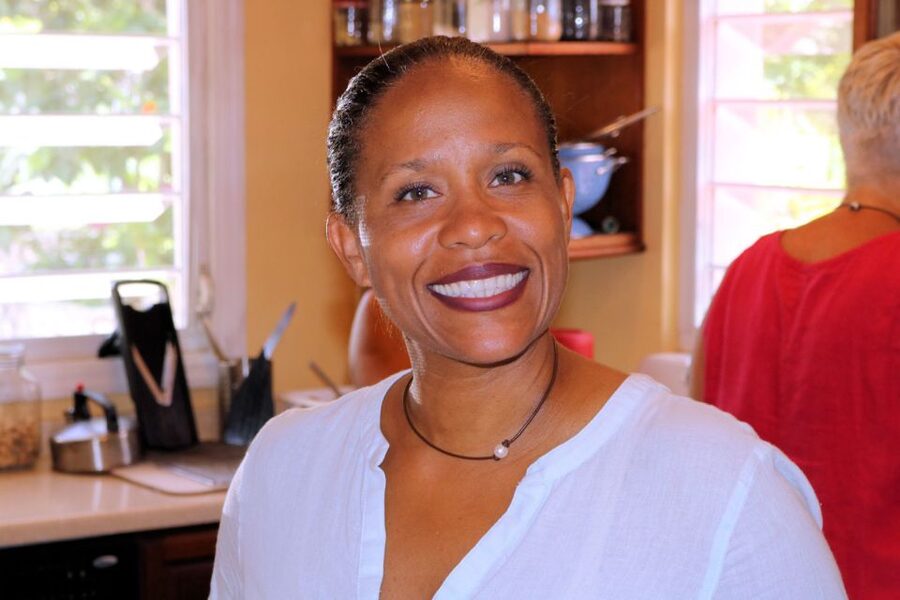
At $164 per person, this is a premium half-day activity. You are paying more than you would for a simple local lunch, but the comparison is not quite fair. The price includes hands-on instruction, a three-course meal, drinks, recipes, and four hours in a private home with a sea view.
The value is strongest if you would normally pay for several separate experiences: a cooking class, a special lunch, and a scenic cultural visit. Here, they are combined in one outing.
The value is weaker if you mainly want to eat seafood. You can find a less expensive meal elsewhere, and the menu uncertainty may not appeal if you want a specific dish. You are paying for participation and connection, not just the plate in front of you.
The recipes also add lasting value. A meal disappears quickly, but a well-explained fish dish, salad, rice preparation, or passion fruit dessert can return to your own kitchen. You should book this with the intention of cooking at least one recipe afterward. Otherwise, part of what you are paying for goes unused.
Timing, group size, and the pace of the day
The usual 11 a.m. start and 3 p.m. finish make this easy to fit into many Antigua itineraries. Hotel visitors can treat it as a relaxed half-day plan. Cruise passengers may also find the timing convenient, but only if the journey to and from Nicole’s Table leaves a safe margin before departure.
A minimum of four people is required for the class. If your party has fewer than four, the booking may need to move to another day unless you join an existing class. Contacting the provider or selecting an existing class is the sensible way to avoid a last-minute change.
That minimum can work in your favor. A small class allows more time at the counter and more room for conversation. Still, the exact group size is not stated, so do not assume you will receive a private lesson.
The four-hour length is generous. You are not being rushed through a quick demonstration. The time allows for preparation, stories, cooking, lunch, and a proper pause to enjoy the veranda. If you prefer rapid sightseeing with several stops, this class may feel slow. If you value a single unhurried experience, the pace is a benefit.
Who will enjoy this class most?
I would recommend it most strongly to:
- Couples looking for a food-centered day in Antigua
- Families with older children who enjoy cooking with an adult
- Cruise passengers with enough time away from the ship
- Home cooks who want recipes they can use after vacation
- People who prefer local homes and conversation to formal tourist venues
- Seafood lovers who are happy to let the day’s catch shape lunch
You should think twice if you dislike seafood, need a wheelchair-accessible activity, or require a fixed menu. The class is also not a fit for anyone under 18 who expects to drink the included rum punch.
People with allergies or special dietary requirements should contact the provider when booking. The menu depends on seasonal availability, so the more specific your needs, the more important it is to ask in advance.
What to bring and how to prepare
Wear clothing you can cook in and expect to wash your hands before starting. Anyone with flu-like symptoms must wear a mask, and hand washing is required.
Bring an appetite rather than snacks for the middle of the day. The class includes drinks and a full meal, so it is built to carry you from late morning into the afternoon.
Most of all, bring flexibility. The menu may change, the class may be more active or more relaxed depending on the group, and the experience works best when you treat the cooking as part of the pleasure rather than a test of technique.
Should you book St. John’s From the Sea Cooking Class?
Book it if you want Antiguan food, personal hospitality, and a sea view in one half-day experience. The fresh-catch menu, full participation, included recipes, and veranda lunch give it a clear sense of place. The especially warm feedback about the hosts, food, and family-like welcome supports that appeal.
Skip it if you need a guaranteed fish, a low-cost meal, wheelchair access, or included transportation. Before paying, confirm that your date works with the four-person minimum and that you can reach Nicole’s Table comfortably.
For the right audience, this is less about mastering restaurant-level technique and more about learning how an island meal comes together. You leave with food in your stomach, recipes in your bag, and a better feel for the Caribbean way of sharing a table.
FAQ
Where does the cooking class take place?
The class takes place at Nicole’s Table in Antigua. It is held in a Caribbean home high on a hill overlooking the Caribbean Sea.
How long does the experience last?
The cooking class lasts four hours. Classes usually begin at 11 a.m. and finish around 3 p.m.
What food will be prepared?
The menu depends on the fish available that day, the season, and sea conditions. Possible fish include mahi-mahi, snapper, tuna, and grouper. A typical menu may include garlic shrimp, a fish main course, rice, salad, and mini passion fruit cheesecakes.
Is lunch included?
Yes. The experience includes a three-course lunch prepared during the class, along with the listed sides and dessert.
What drinks are provided?
Drinks include Nicole’s Old Fashioned Rum Punch, a local juice, and water from the cisterns.
Is transportation included?
No. There is no pickup service. You meet at Nicole’s Table, and directions are sent after booking.
Can children attend the class?
Children may attend when accompanied by an adult. Unaccompanied minors are not allowed, and the minimum drinking age is 18.
Just added in St John S
- Full Day Antigua Island Tour with Ras Andre★ 5.0 · 1 review
- Hiking Combo Tours★ 5.0 · 4 reviews
- Sip & Paint with lunch on exciting Ffryes Tiki beach Bar★ 4.4 · 6 reviews
- Famous Island Tour★ 4.2 · 2 reviews
- Antigua – Discover and Relax on 2 beaches★ 4.6 · 5 reviews
- Coordinating Curry Cooking Class★ 5.0 · 4 reviews
- St. John’s: Rum Cooking Class with 6 Rum Tastings★ 5.0 · 6 reviews
- From St John’s: Half Moon Bay Beach Half-Day Trip by Van★ 4.7 · 9 reviews
Cooking Classes, compared.
St. John’s: Rum Cooking Class with 6 Rum Tastings
Read our review →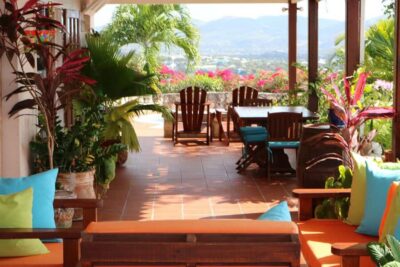
Browse the lists this tour appears in